
Game studio
Mad Camel Studio
We make games that respect the player's time and wallet. Retro Puzzles is our first game: a calm journey through classical art. .panic is the second: a precision arcade game built around short runs and fair competition.

Player deal
Make the game fun. Keep the business model out of its way.
A game can be commercial without turning every menu into a funnel. We prefer clear prices, complete experiences and optional extras that never buy skill or manufacture inconvenience.
First game · Released 31 July 2026 · Available on Steam
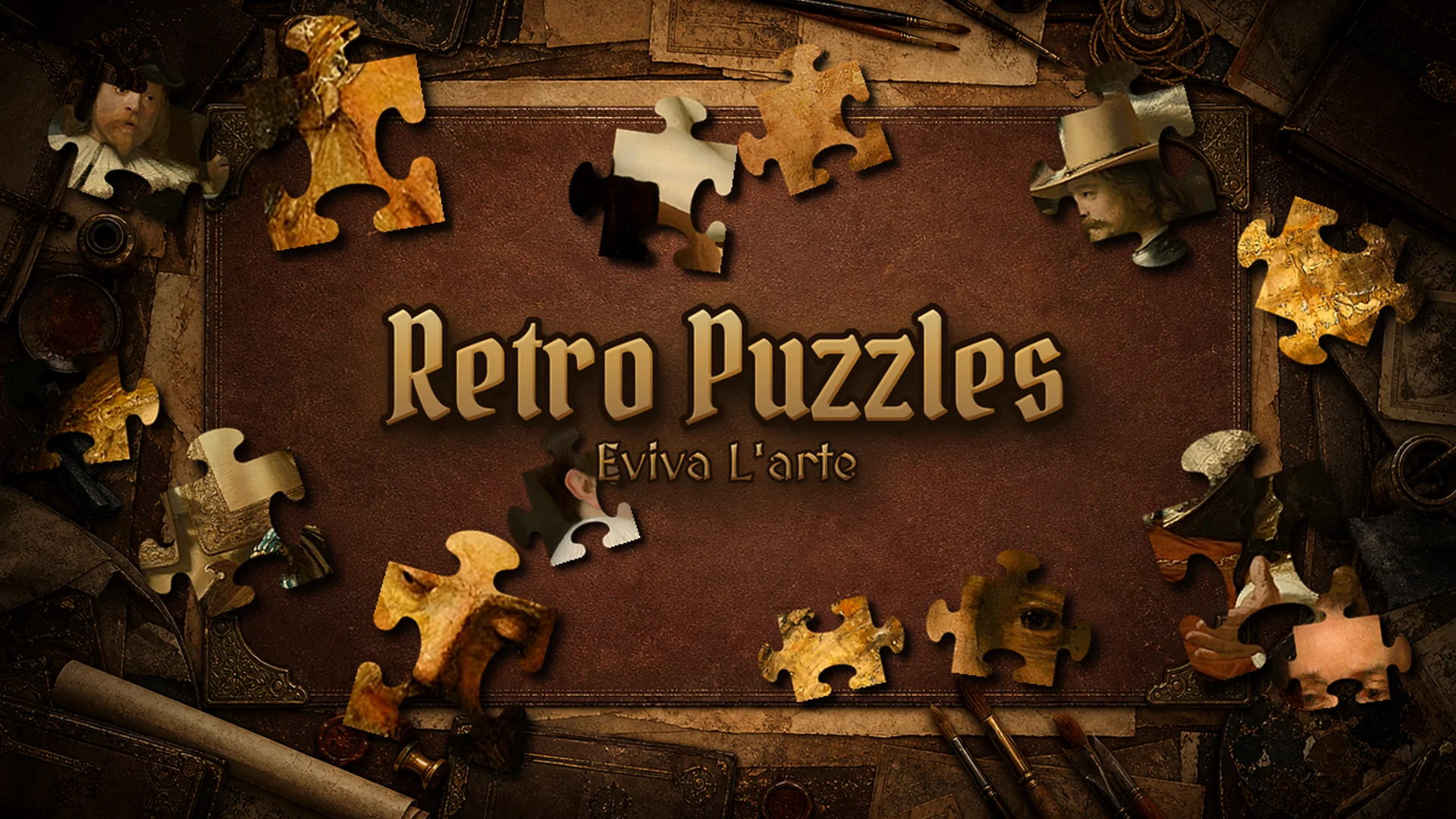
Retro Puzzles - Eviva L'arte
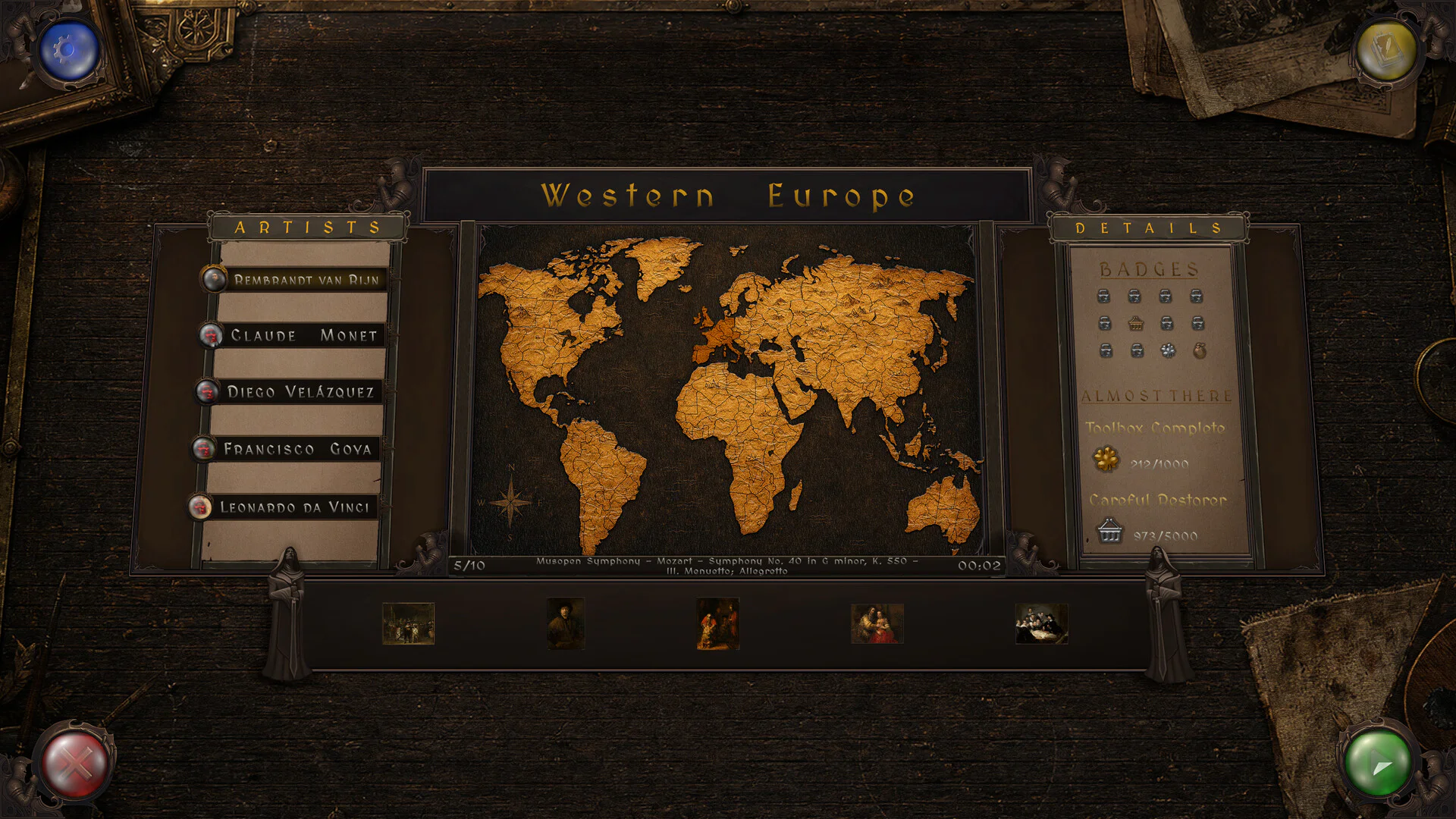
A museum-sized jigsaw collection for people who want to slow down. Rebuild 225 paintings by 45 artists across nine regions, backed by classical music and difficulty options that range from approachable to highly demanding.
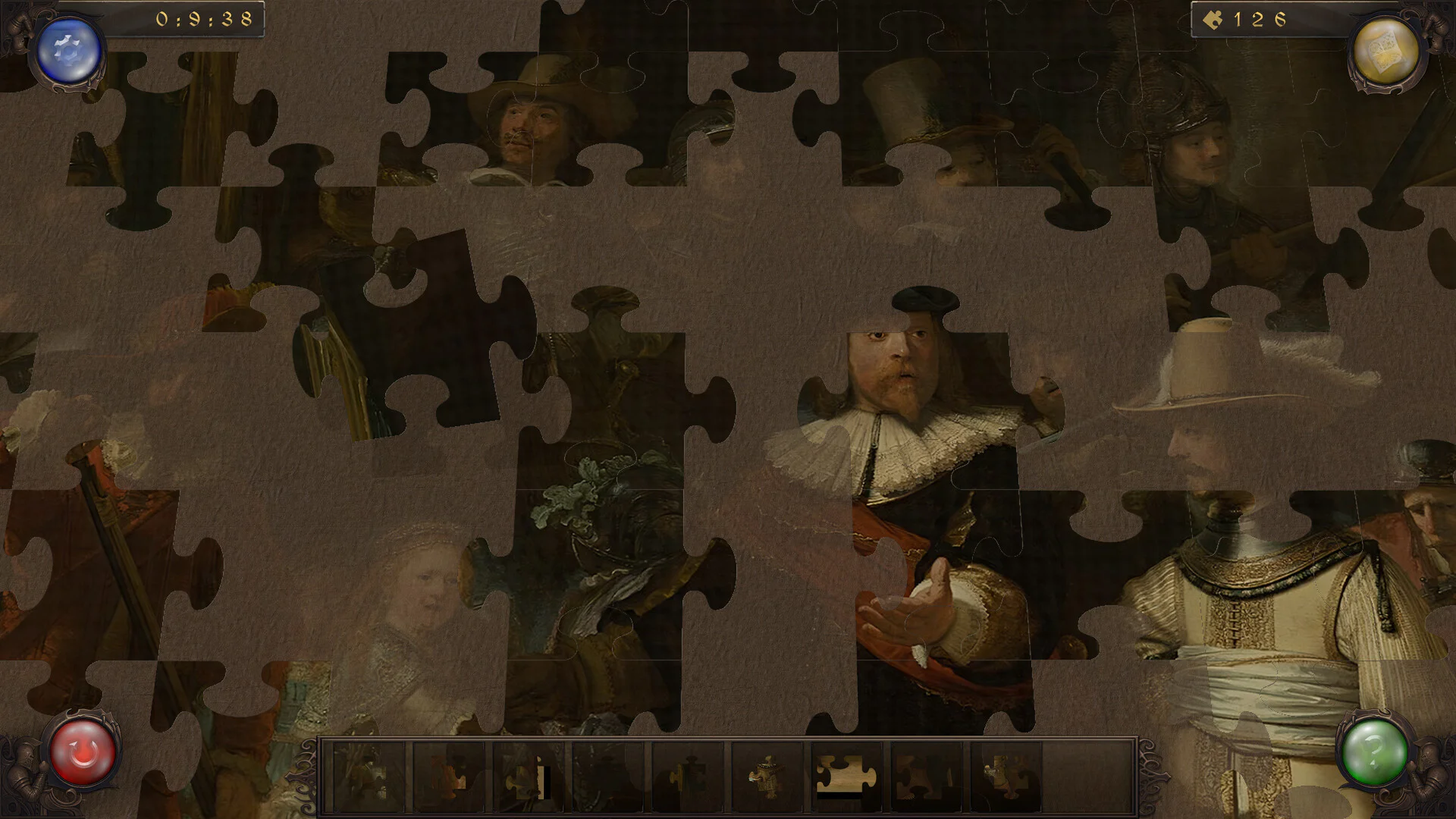
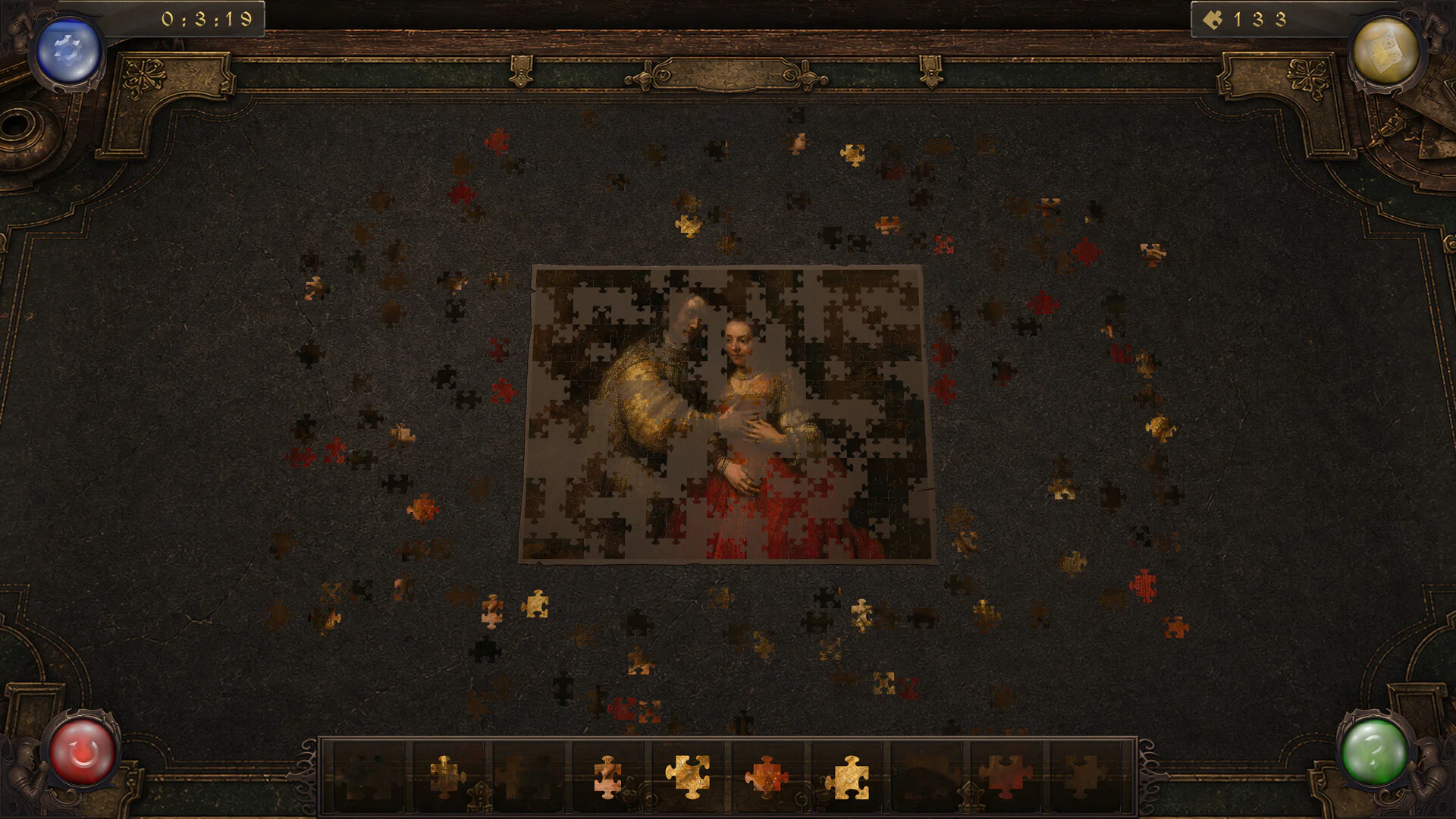
Move between 2D and 3D views, preview and zoom the art, choose the table style and explore the collection at your own pace.
Second game · Released 29 August 2026 · Available on Steam
.panic (dot panic)
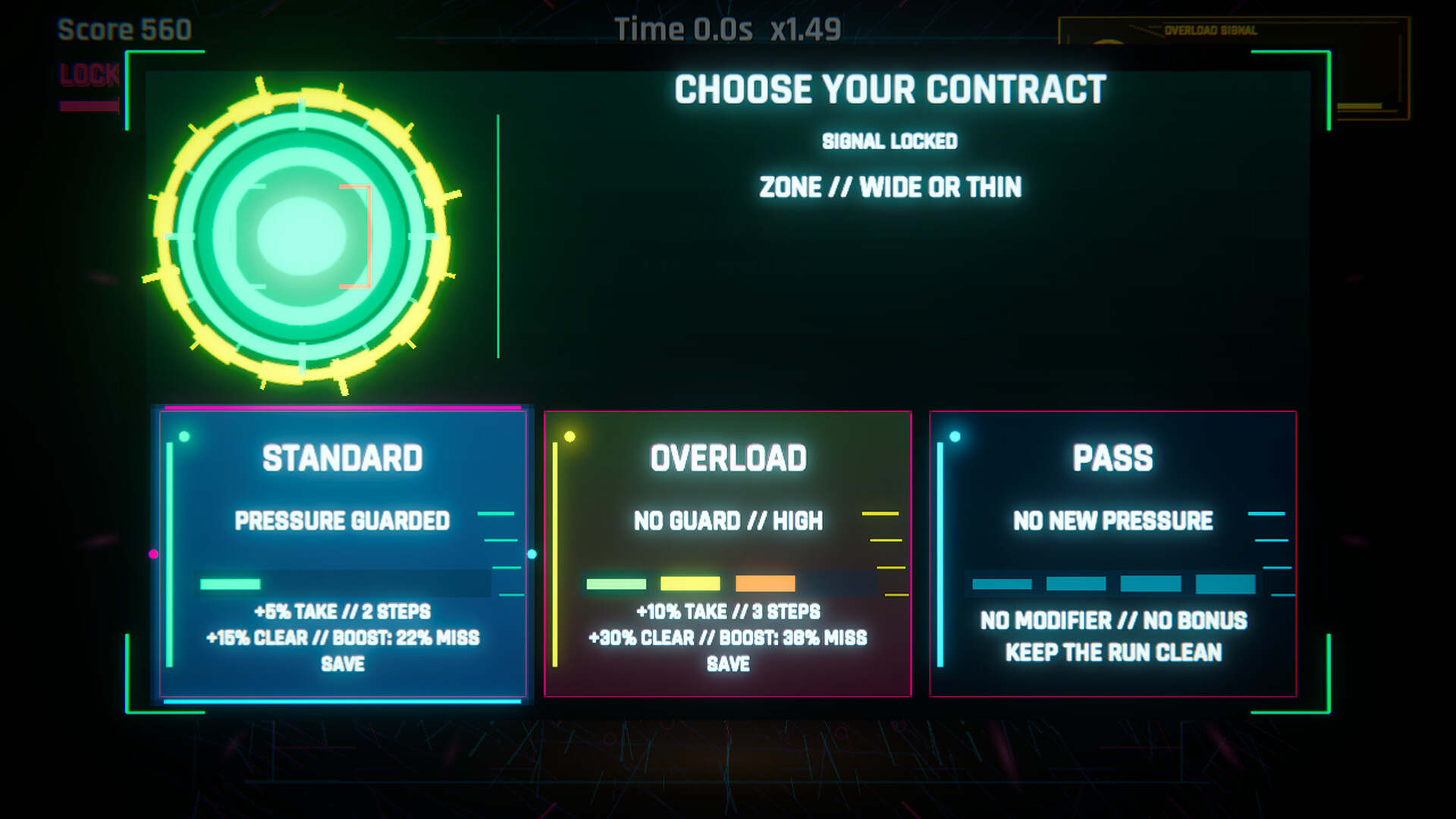
One dot, one target, one tap. The rule fits in a sentence; the pressure comes from doing it cleanly when a perfect run and another player's ghost are staring back at you.
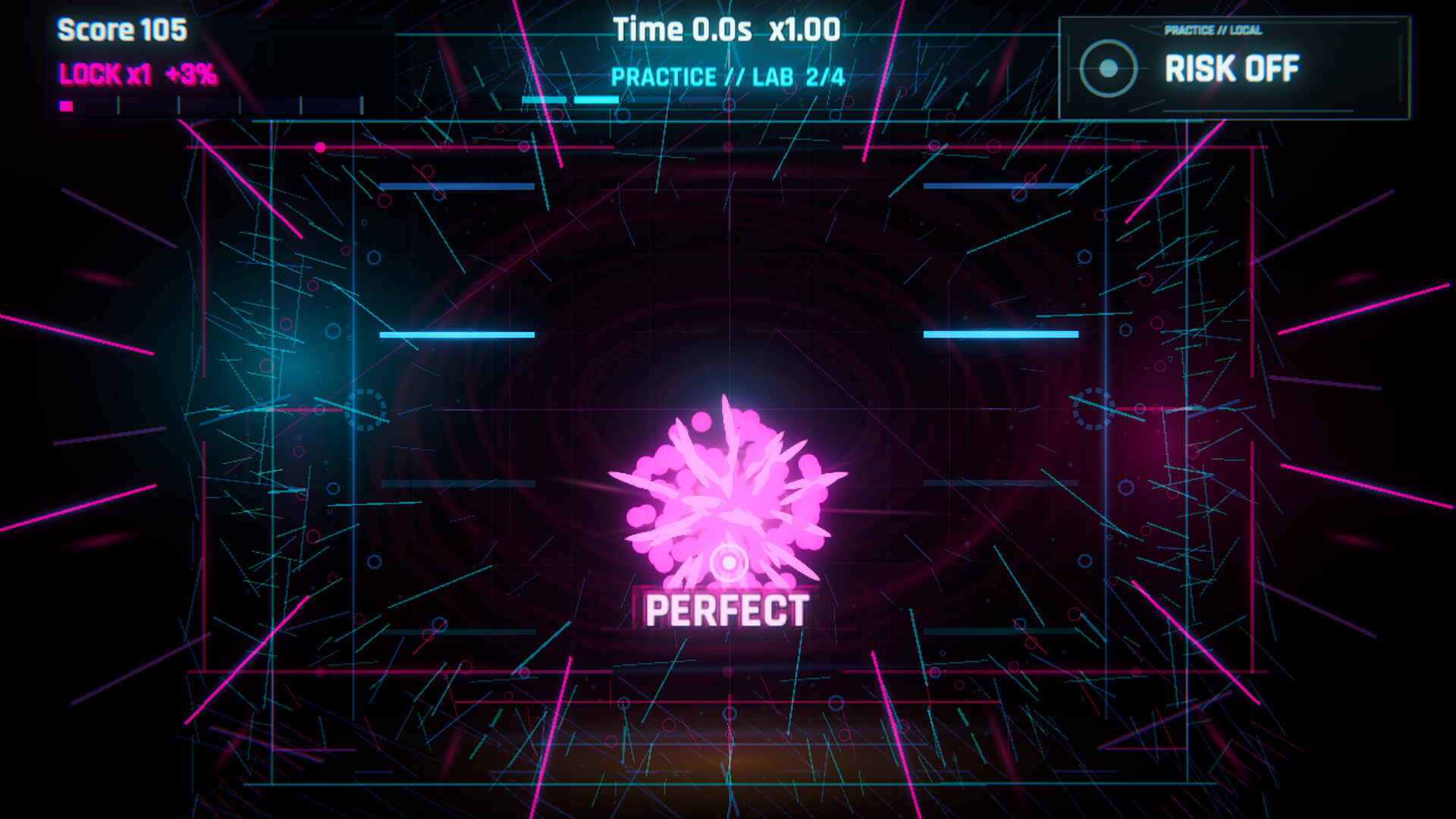
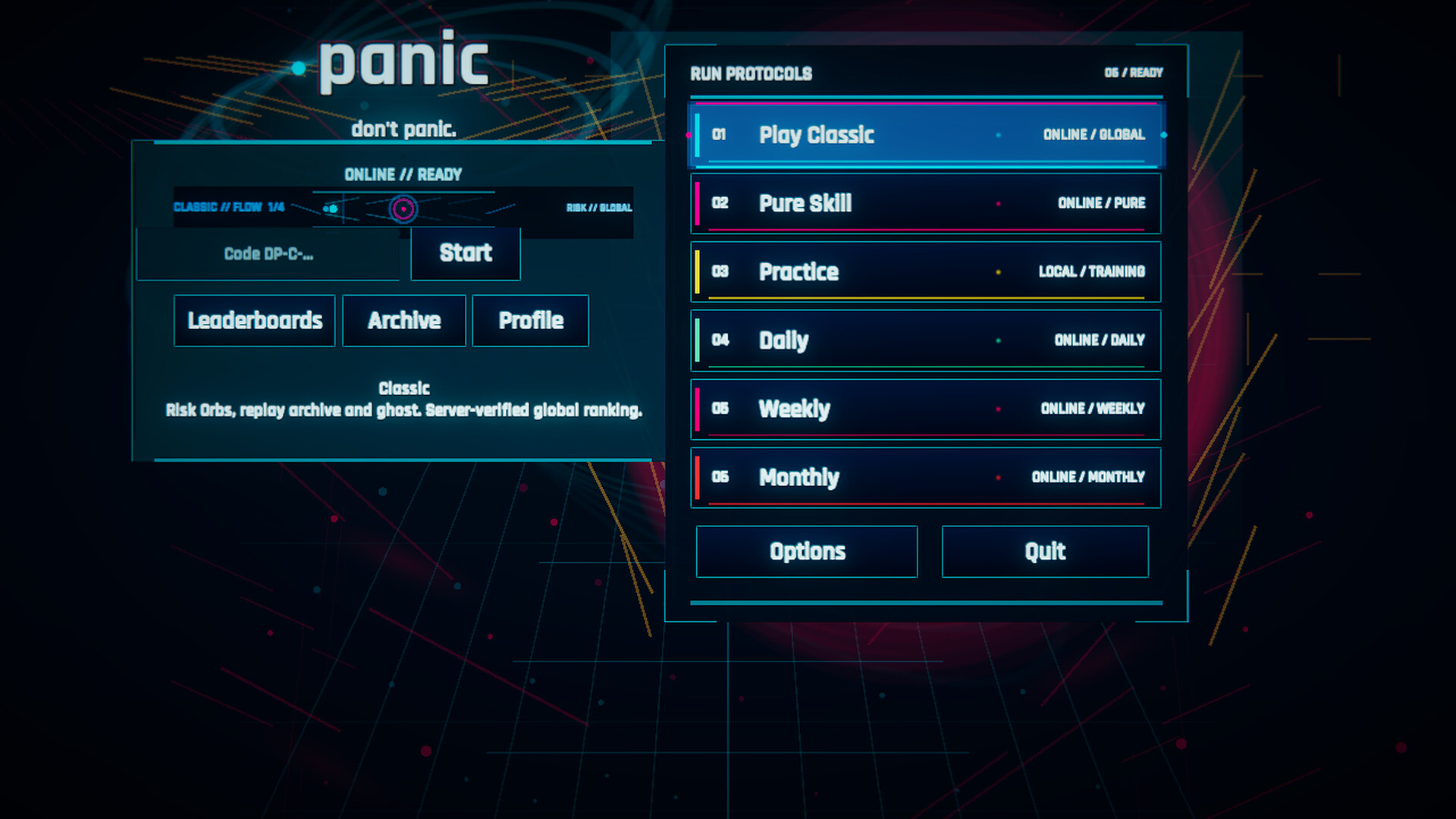
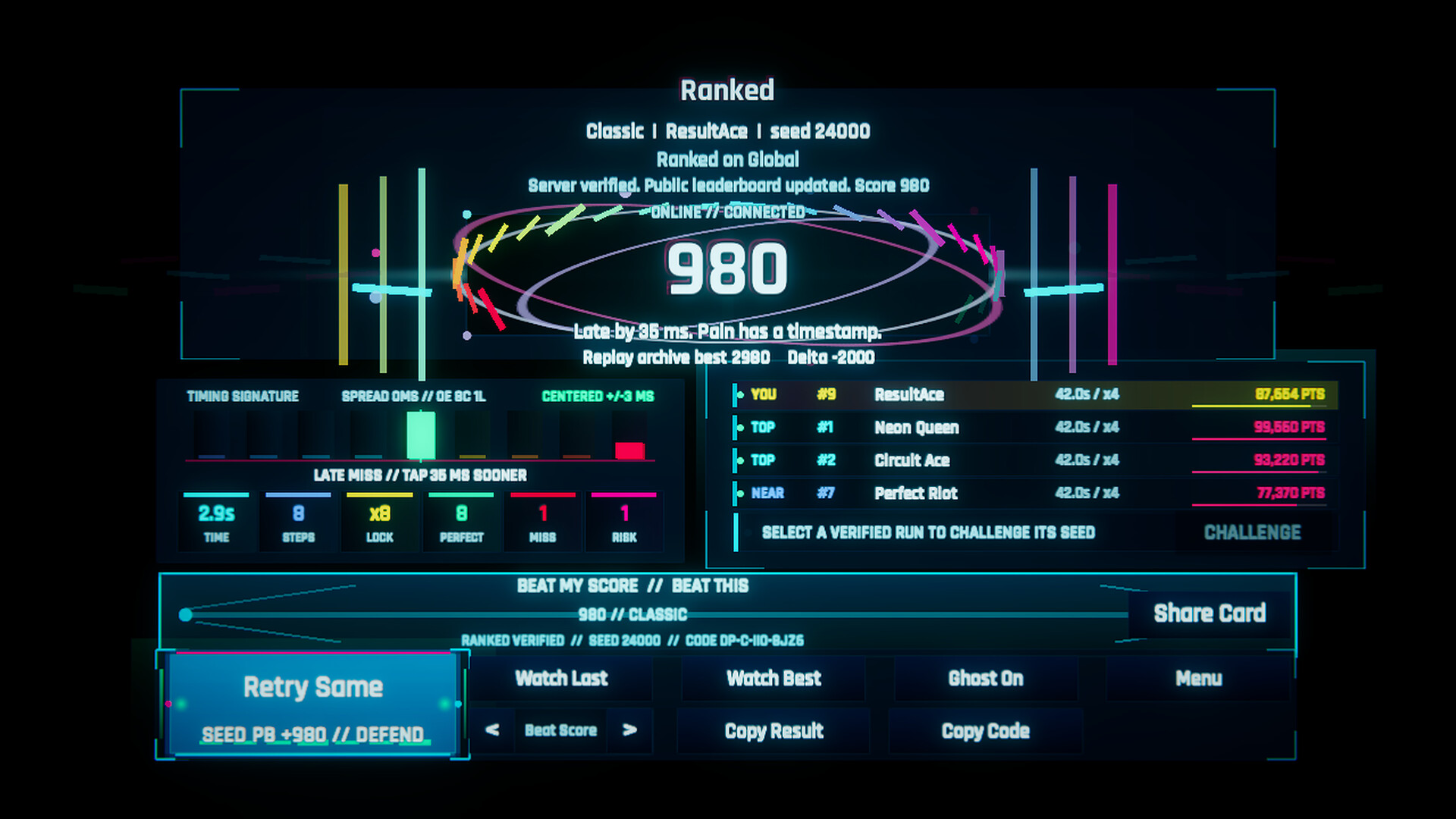
The released game includes Classic, Pure Skill and Practice modes, Daily, Weekly and Monthly competition, Challenge Codes, global rankings, replays, ghosts, gamepad operation and a Palette Lab for readable colour combinations.
What comes after
Future games will be announced when they are ready.
We plan to make more games, but we will only publish names, pages and release information once each project is far enough along to present accurately.
For now the job is concrete: support both released games across their desktop platforms, listen to players and make every update worthy of the time they give us.
Mad Camel Studio
Contact Mad Camel Studio.
For game support, accessibility questions, press or platform enquiries, contact us at support@vikendata.com.